
CBT vs Pharmacotherapy for Depression: Which Treatment Works Best?

Depression can be tough to manage, but there are effective treatments available. CBT, or Cognitive Behavioral Therapy, and pharmacotherapy are two common options. CBT focuses on helping people change negative thinking patterns through therapy. On the other hand, pharmacotherapy uses medications, like antidepressants, to help balance brain chemicals. Both treatments are proven to work, but choosing the right one depends on individual needs. Some people prefer therapy, while others may find medications more helpful.
In this blog, we’ll look at CBT vs pharmacotherapy for depression. We’ll compare how each approach works, their benefits, and which might be the best fit for different situations. Whether you’re considering therapy, medication, or a mix of both, this guide will give you a clearer idea of how to move forward in treating depression.
What is Cognitive Behavioral Therapy (CBT)?
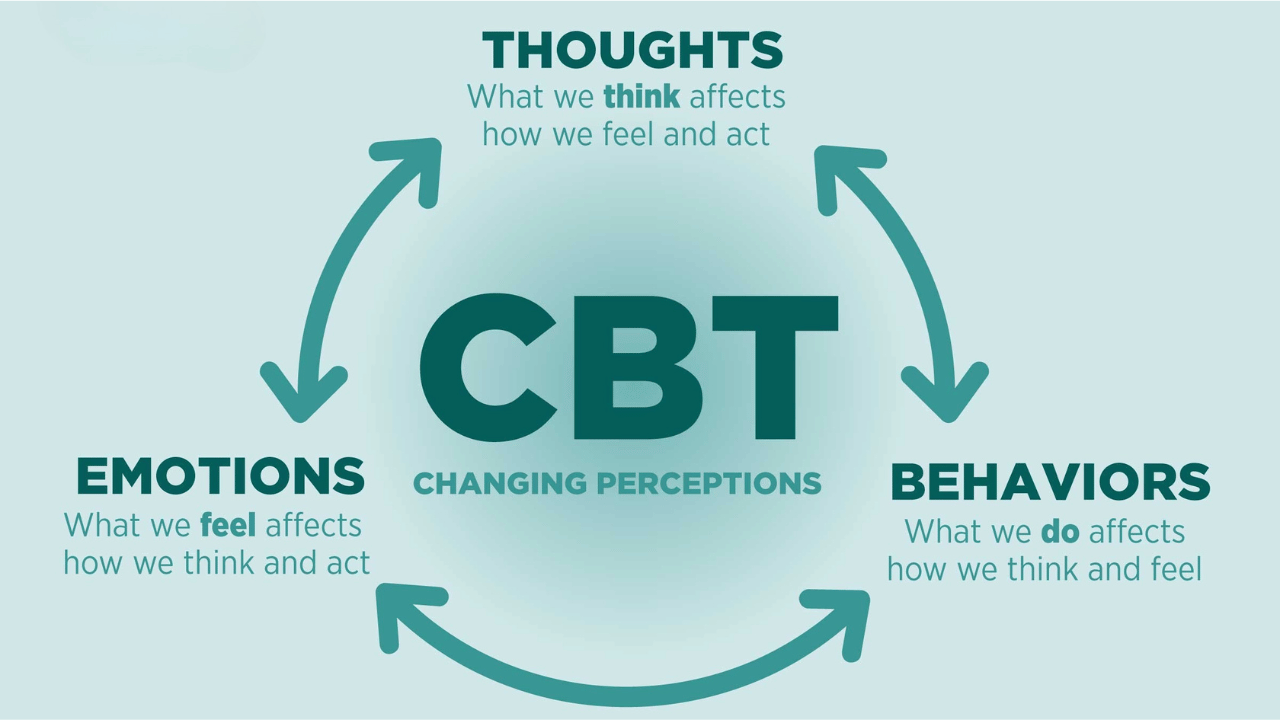
Cognitive Behavioral Therapy, often called CBT, is a type of talk therapy used to treat depression and other mental health conditions. It focuses on the connection between thoughts, feelings, and actions. The main idea of CBT is that negative thinking patterns can affect how a person feels and behaves. During CBT sessions, a therapist helps a person notice these unhelpful thoughts and learn how to replace them with more balanced and realistic ones.
CBT also encourages small, practical changes in daily behavior that can improve mood over time. This therapy is structured and goal-focused, which means sessions usually follow a clear plan. CBT does not focus heavily on the past. Instead, it helps people deal with current problems and develop coping skills they can use in everyday life. Many people find CBT helpful because it teaches tools they can continue using even after therapy ends.
What is Pharmacotherapy for Depression?

Pharmacotherapy for depression means treating depression with medication. These medicines are usually called antidepressants. They work by helping balance certain chemicals in the brain that affect mood, sleep, and emotions. Common types include SSRIs, SNRIs, and other prescribed antidepressants. A doctor or psychiatrist decides which medication is best based on symptoms, medical history, and response to treatment.
Pharmacotherapy can help reduce symptoms like low mood, lack of energy, poor sleep, and loss of interest in daily life. Some people start to feel better within a few weeks, while for others it may take longer. Medication is often used for moderate to severe depression, especially when symptoms make daily functioning difficult. In some cases, pharmacotherapy is combined with therapy to provide better and more stable results over time.
Comparing CBT and Pharmacotherapy: What Does the Research Say?
Research comparing CBT vs Pharmacotherapy for Depression shows that both treatments are effective, but they work in different ways and may suit different people. A well-known research published in Archives of General Psychiatry found that “response rates for cognitive therapy and antidepressant medication were comparable during acute treatment,” meaning both approaches reduced depressive symptoms at similar levels in the short term.
Here’s a detailed comparison table for CBT and Pharmacotherapy:
| Aspect | Cognitive Behavioral Therapy (CBT) | Pharmacotherapy (Medication) |
|---|---|---|
| How it works | Helps change negative thought patterns and behaviors through structured therapy sessions | Uses antidepressant medications to balance brain chemicals related to mood |
| Speed of symptom relief | Gradual improvement over weeks as skills are learned and practiced | Often faster symptom relief, especially in moderate to severe depression |
| Short-term effectiveness | Research shows CBT is as effective as medication during active treatment | Equally effective as CBT in the short term according to clinical trials |
| Long-term benefits | Lower relapse rates after treatment ends due to lasting coping skills | Higher relapse risk if medication is stopped without additional support |
| Side effects | No physical side effects | Possible side effects such as nausea, weight changes, sleep issues, or sexual dysfunction |
| Patient involvement | Requires active participation and practice between sessions | Requires daily medication adherence |
| Best suited for | Mild to moderate depression, relapse prevention, patients preferring non-drug options | Moderate to severe depression, high symptom burden, urgent symptom relief |
| Combination option | Often combined with medication for better outcomes | Works best when combined with CBT in complex or severe cases |
Combining CBT and Pharmacotherapy: Is it the Ultimate Solution?
Combining CBT and pharmacotherapy is often seen as a strong and balanced approach to treating depression. Research shows that using therapy and medication together can lead to better results than using either one alone, especially for people with moderate to severe depression. Medication can help reduce symptoms like low mood, poor sleep, and low energy, making it easier for a person to engage in therapy. At the same time, CBT helps people understand their thoughts, build coping skills, and manage stress in healthier ways.
This combination does not just focus on feeling better in the short term. It also helps reduce the chances of relapse over time. Studies have found that people receiving both treatments often improve faster and stay well longer. While it may not be necessary for everyone, combining CBT and pharmacotherapy can be a very effective solution for those who need more support to manage depression.
Are you confused between CBT vs Pharmacotherapy?
Feeling unsure when choosing between CBT vs Pharmacotherapy for Depression is very common. Both treatments work, and both are backed by strong research. What matters most is finding the option that fits your symptoms, lifestyle, and comfort level. Some people do well with therapy alone. Others need medication. Many benefit from a combination of both. There is no single path that works for everyone, and that is okay.
At Mass Mind Center, we focus on personalized care. We take the time to understand what you are going through before recommending a treatment plan. Our team offers evidence-based therapy, medication management, and combined treatment when needed. We guide you step by step and keep your goals at the center of care. If you are feeling confused or overwhelmed, you do not have to decide alone. Reaching out for the right support can be the first calm step toward feeling better and moving forward with confidence.