
Childhood OCD Explained: Symptoms, Causes, and Treatment That Can Help?

Childhood OCD is a condition that affects many children, making everyday life challenging for them and their families. OCD in children can show up in different ways, such as worrying about something being perfect or needing to do certain actions over and over again. These behaviors can interfere with their daily routine, school, and social life. Parents might not always recognize the signs because they can look like normal childhood habits. However, when these behaviors start to take up a lot of time or cause stress, it might be a sign of OCD. Understanding childhood OCD early can help get the right support and treatment.
In this blog, we’ll explain what childhood OCD is, its symptoms, possible causes, and the treatment options that can help children live a better life.
What Is Childhood OCD?
Childhood OCD (Obsessive-Compulsive Disorder) is a mental health condition where children experience unwanted, intrusive thoughts (obsessions) and feel the need to perform certain actions or rituals (compulsions) to get rid of the anxiety these thoughts cause. For example, a child may feel like something is dirty or wrong and need to wash their hands repeatedly or check if the door is locked several times. These compulsive actions are done to reduce the discomfort caused by the obsessive thoughts.
In children, OCD can look different from what adults experience. Children may not always be able to explain why they feel the need to perform these actions, and parents may misinterpret these behaviors as normal or a phase.
However, when these behaviors begin to interfere with the child’s daily life, such as affecting their school performance or social interactions, it may be a sign of OCD that requires attention and treatment.
Recognizing the Signs & Symptoms
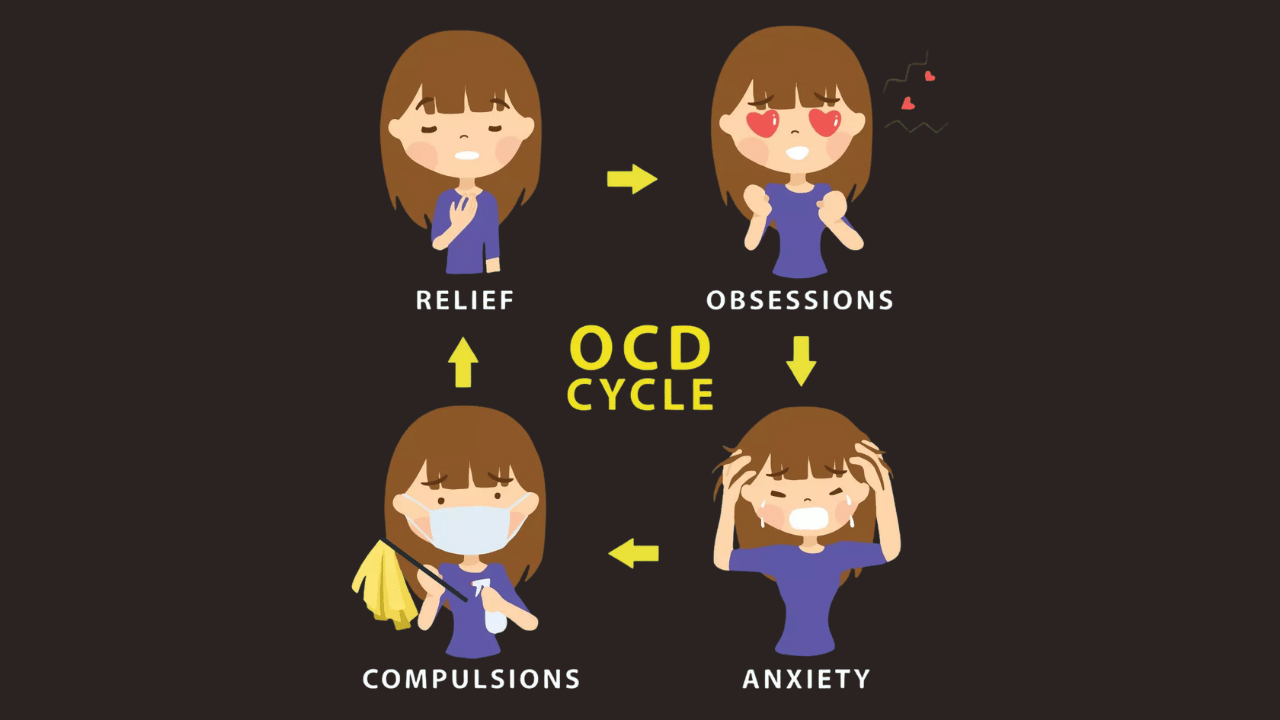
Recognizing childhood OCD can be challenging because many of the behaviors may seem like typical childhood habits or rituals. However, when these behaviors become excessive and start interfering with a child's daily life, it's important to pay attention. Children with OCD often feel driven to perform certain actions repeatedly or have specific fears that cause them distress.
These actions or thoughts can be time-consuming, stressful, and hard to control. Parents and caregivers may notice their child spending an unusually long time on certain tasks or becoming anxious if things are not done a certain way. Early recognition is key to getting the right help.
Here are Signs & Symptoms of Childhood OCD:
Obsessions (Intrusive Thoughts): Children with OCD may have repeated, unwanted thoughts or fears that cause them distress. Common examples include fears of dirt, germs, harm, or doing something wrong.
Compulsions (Repetitive Behaviors): To ease the anxiety from their obsessions, children might engage in repetitive actions. This could include washing hands multiple times, checking if doors are locked, or arranging items in a specific order.
Time-Consuming Rituals: The compulsions may take up significant amounts of time, making it difficult for the child to focus on school, play, or other important activities.
Avoidance: Children might avoid certain situations or places that trigger their fears. For example, they might refuse to go to school or a friend’s house if they’re worried about contamination.
Distress and Anxiety: Children may become visibly upset or anxious when they can't complete their rituals or when things don’t go as planned.
Difficulty Functioning: OCD symptoms can affect the child’s ability to participate in everyday activities, such as schoolwork, socializing, or engaging in hobbies.
Diagnosing OCD Symptoms in Children
Diagnosing OCD in children involves more than just recognizing the symptoms. A healthcare professional, usually a child psychologist or psychiatrist, will assess the child’s behavior and emotions to determine if the symptoms align with OCD. They may conduct interviews with both the child and their parents to understand the child’s thought patterns, behaviors, and how these affect their daily life. One common assessment tool is the Children’s Yale-Brown Obsessive Compulsive Scale (CY-BOCS), which helps to measure the severity of the symptoms.
The clinician will look for specific signs such as the frequency and intensity of obsessions and compulsions, and whether they interfere with the child’s normal activities like school, friendships, and family life. It’s also important to rule out other conditions that may cause similar symptoms, such as anxiety disorders, tic disorders, or developmental conditions. A thorough evaluation ensures that the child gets an accurate diagnosis and the right course of treatment.
Treatment & Support Strategies That Can Help
Treating childhood OCD requires a combination of therapeutic approaches tailored to the child’s specific needs. The goal is to help the child manage their symptoms and reduce the impact OCD has on their daily life. Effective treatment can include therapy, medication, and support from family, school, and other caregivers. Early intervention is key to helping children cope with OCD in a healthy way, and there are several strategies that can provide relief.
Here Are Some of Treatment Options for Childhood OCD:
Cognitive Behavioral Therapy (CBT): CBT is one of the most effective treatments for OCD in children. It helps the child identify and change negative thought patterns and teaches coping skills to manage anxiety. A specialized form of CBT, called Exposure and Response Prevention (ERP), is particularly effective. ERP involves exposing the child to the source of their anxiety in a controlled way while preventing the compulsive behavior, helping them build tolerance to the discomfort.
Medication: In some cases, medication may be prescribed to help manage OCD symptoms. Selective serotonin reuptake inhibitors (SSRIs), a type of antidepressant, are commonly used to treat OCD in children. Medication is often recommended when therapy alone does not provide enough relief or when symptoms are severe.
Family Support & Education: Parents and family members can play a critical role in the treatment process. Family therapy helps everyone understand the challenges of OCD and learn how to support the child. Parents may also be taught strategies to manage their child's compulsive behaviors at home.
School Accommodations: Children with OCD may benefit from accommodations at school, such as extra time on assignments or a quiet space to work. Collaborating with teachers and school counselors can help reduce stress and ensure the child receives the support they need.
Final Thoughts
Childhood OCD can be a challenging condition, both for children and their families. Recognizing the signs early, seeking a proper diagnosis, and implementing a combination of effective treatment options can greatly improve the quality of life for children affected by OCD. With therapies like Cognitive Behavioral Therapy (CBT) and exposure to proper medication, most children can learn to manage their symptoms and continue to thrive in their everyday lives. If you notice signs of OCD in your child, don't hesitate to reach out for help.
At Mass Mind Center, we understand how overwhelming it can be to see your child struggle with OCD. Our team of experienced professionals is here to guide your child and your family through effective treatment options and provide the support you need. If you believe your child may be suffering from OCD, contact us today to begin the path toward recovery and a brighter future.