
Is Social Anxiety a Disability? You Are Not Overreacting, and Here Is What That Means for You
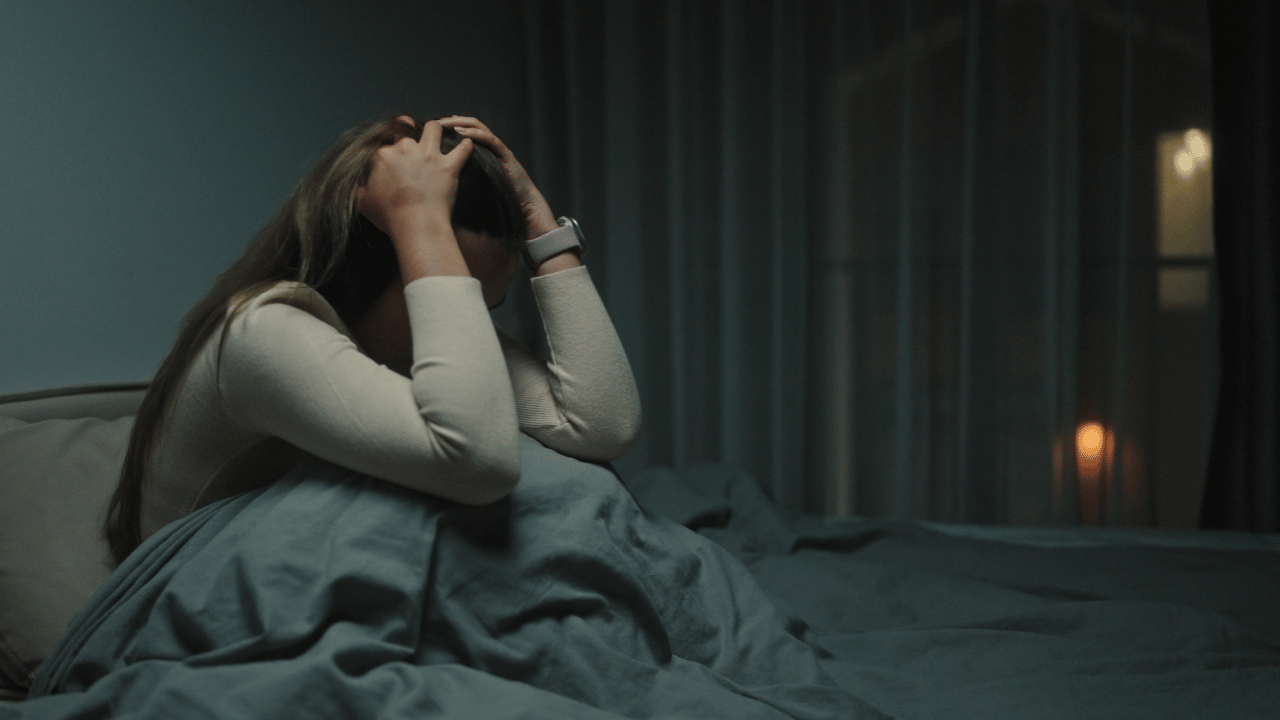
I called in sick to my own promotion meeting last spring. Then I spent three hours in my car in the parking lot crying because I knew I would not be able to walk in and shake my new boss's hand without my throat closing. When I finally told my best friend about it, she said what she always says. "You just need to push through it." I knew she meant well, and I knew I was not just shy, but I also did not have a word for what was happening to me. That night I sat in bed and typed "is social anxiety a disability" into my phone, because if the answer was yes, maybe I was not actually a coward. If you have ever asked this question for the same reason, this blog post is for you.
The short version
Yes, social anxiety can be a disability under U.S. law. The Americans with Disabilities Act (ADA) covers social anxiety disorder when it substantially limits a major life activity like working, communicating, or interacting with others. A diagnosis alone is not enough, but a documented condition that significantly affects your daily functioning is.
The Short Answer: Yes, Sometimes Social Anxiety Is Legally a Disability
Social anxiety disorder is a recognized mental health condition, and U.S. disability law treats it the same way it treats any other condition. The question is never about the label. The question is about how much your social anxiety actually limits your life. When the limitation is significant, the law sees you. When it is not, the law does not. Here is what that actually means in practice:
What "disability" actually means under U.S. law
The ADA defines disability as a physical or mental impairment that substantially limits one or more major life activities. Major life activities include working, communicating, concentrating, interacting with others, sleeping, and learning. Social anxiety disorder commonly limits several of these at once.
Why a diagnosis alone is not enough
You can have a clinical diagnosis of social anxiety disorder and not meet the legal definition of disability if your symptoms are mild and do not substantially limit your daily functioning. You can also have severe symptoms that meet the legal definition before you have ever sat in a therapist's office. The law cares about functional impact, not paperwork alone.
The court case that explicitly put social anxiety inside the ADA
In Jacobs v. North Carolina Administrative Office of the Courts, the Fourth Circuit ruled that social anxiety disorder is a disability covered by the ADA. The court rejected the employer's argument that the employee could not be substantially limited because she still interacted with people daily. The judges said clearly that a person does not need to live as a hermit to be substantially limited in interacting with others.
Yes, social anxiety qualifies as a disability under the ADA when it substantially limits a major life activity like working, communicating, or interacting with others. A diagnosis alone is not enough. What matters is how the condition actually affects your daily functioning, and the standard does not require you to be unable to leave the house. The 2015 Jacobs ruling confirmed social anxiety disorder is ADA-covered.
You Are Not Overreacting, and Here Is Why You Have Been Doubting Yourself

If you have ever wondered whether your experience is "bad enough" to count, that question itself is part of how social anxiety works. The disorder convinces people they are exaggerating right at the moment they most need to take themselves seriously. Most people who eventually qualify for legal protection have spent years being told they are just shy. Here is what is actually going on underneath that doubt:
The invalidation most people with social anxiety have lived with
Family, friends, and coworkers usually mean well when they tell you to push through. The trouble is that pushing through has not worked, and being told to do it again teaches you to distrust your own experience. The first step toward real change is admitting what you already know about how hard things are.
The internalized shame around calling yourself "disabled"
The word disability carries weight. Many people resist applying it to themselves because they associate it with people who are "really" suffering. The legal definition does not require comparison. If your condition substantially limits a major life activity, you qualify, full stop. Using the protections available to you is not taking something away from anyone.
What "substantial limitation" actually looks like in real life
A substantial limitation does not mean total inability. It means real, recurring impact. Missing meetings because of panic, leaving roles you wanted because of the social demands, struggling to maintain friendships, having physical symptoms before ordinary interactions, all of these can qualify when documented and consistent.
How the Four Major Disability Frameworks Treat Social Anxiety
People often hear "disability law" as one thing. It is actually four overlapping frameworks, and each one does something different. Knowing which one fits your situation prevents you from chasing the wrong one. Here are the four worth knowing:
The ADA: workplace accommodations and protection from discrimination
The ADA covers employers with 15 or more employees. If your social anxiety substantially limits a major life activity, your employer must engage in what the law calls the interactive process to find reasonable accommodations that let you perform your essential job functions. The EEOC's guidance on mental health conditions in the workplace explains your rights in detail.
FMLA: job-protected unpaid leave for treatment
The Family and Medical Leave Act provides up to 12 weeks of unpaid, job-protected leave per year for a serious health condition, including documented anxiety disorders. FMLA applies to employers with 50 or more employees within a 75-mile radius. It is typically used for stabilization, intensive outpatient treatment, or short inpatient care.
SSDI: income replacement when you cannot sustain work
Social Security Disability Insurance has a much higher bar than the ADA. To qualify, the SSA requires that your condition prevents substantial gainful activity and is expected to last at least 12 months or result in death. Anxiety disorders fall under Listing 12.06 of the SSA's Blue Book. Most claims require detailed clinical records spanning years.
IDEA and Section 504: protections for students
If you are a student, IDEA and Section 504 of the Rehabilitation Act protect your right to educational accommodations. These include extended time for tests, alternative presentation formats, and modified participation requirements. K-12 students are covered through high school, and Section 504 protections continue at the college level.
What Reasonable Accommodations You Can Actually Ask For
The list of accommodations available to you is wider than most articles admit. The right accommodation is whatever lets you perform your essential job functions without forcing you through the social demands that trigger your symptoms. The federal Job Accommodation Network maintains a free, detailed database of accommodations for social anxiety specifically. Here are the categories worth knowing:
Accommodations for meetings, presentations, and customer-facing work
Advance notice of presentations, written summaries instead of verbal reports, the option to contribute in writing, reassignment from customer-facing duties to back-office tasks, smaller meeting sizes, and the ability to keep your camera off during virtual meetings are all reasonable requests with documented precedent.
Accommodations for open offices and high-stimulation environments
A quieter workspace, a partition or private office, noise-canceling headphones, the option to work from home several days a week, and flexible scheduling around peak office hours all qualify as reasonable accommodations when they help you function.
Accommodations many people do not know they can request
Reduced supervision check-ins, changes in how performance feedback is delivered (in writing instead of in person), permission to step out during sessions when symptoms spike, and modifications to mandatory company social events are all legitimate accommodations that get approved regularly.
How to Actually Request an Accommodation Step by Step

The legal process is more navigable than it sounds, but only if you do the steps in the right order. Most accommodation requests that get denied were not denied because the request was unreasonable. They were denied because the documentation was thin or the request was vague. Here is the process that works:
The clinical documentation you need
Ask your therapist or psychiatrist for a letter that names the diagnosis, describes how your symptoms substantially limit specific major life activities, lists the recommended accommodations, and confirms ongoing treatment. The stronger and more specific the documentation, the harder it is to deny. A one-line letter rarely works.
What to say to HR or your supervisor
You do not have to share the specific diagnosis if you do not want to. You only have to disclose that you have a medical condition that limits major life activities and that you need accommodations to perform your job. Put the request in writing. Reference the ADA. Name the specific accommodations you are asking for. Keep copies of everything.
What to do if your accommodation request is denied
Employers must engage in the interactive process in good faith. A flat denial without exploring alternatives may itself be illegal. If your request is denied, ask for the reason in writing, propose alternative accommodations, and contact the EEOC or a disability rights attorney. Most denials get resolved at the negotiation stage.
Beyond Legal Protections: Treating the Social Anxiety Itself
The legal protections matter, but they are not the whole story. Accommodations help you function in a world that is not built for your nervous system, and treatment helps your nervous system change. Both together usually work better than either alone. Here is what the evidence supports:
Evidence-based treatments that work
Cognitive Behavioral Therapy (CBT) is the gold standard for social anxiety, with decades of research behind it. Exposure therapy, often delivered within CBT, helps you gradually face the situations you have been avoiding in a structured way. Acceptance and Commitment Therapy (ACT) and group therapy also have strong evidence. A clinician-led anxiety disorder treatment plan typically pairs one of these with practical skill-building.
When medication helps and what kinds therapists recommend
SSRIs and SNRIs are first-line medications for social anxiety and often pair well with therapy. Beta-blockers can help with situational anxiety like presentations. Medication does not replace therapy, but it can lower the baseline anxiety enough to make therapy itself more accessible.
Why accommodations and treatment together work better
Accommodations reduce the daily friction that keeps your nervous system in overdrive. Treatment teaches your nervous system to respond differently over time. Together they create the space for actual recovery rather than indefinite coping. Many people start with coping skills for everyday anxiety while waiting to begin formal therapy.
Working With Massachusetts Mind Center
At Massachusetts Mind Center we provide evidence-based therapy for social anxiety in the Boston area, including CBT, exposure therapy, and ACT. Our licensed therapists also provide the clinical documentation many clients need for ADA accommodations, FMLA leave, or SSDI claims, and we explain the process clearly so you are not navigating it alone. Call 617-236-2193 and a real person will help you figure out the right starting point.
Frequently Asked Questions
Is social anxiety the same as being shy?
No. Shyness is a personality trait. Social anxiety disorder is a clinical condition that causes intense fear of social situations, physical symptoms like panic attacks, and avoidance patterns that interfere with daily life. The two can look similar from the outside but feel completely different to experience.
Do I have to tell my employer my specific diagnosis?
No. The ADA only requires that you disclose a medical condition that substantially limits a major life activity and request specific accommodations. You can keep the diagnosis private. Your therapist or psychiatrist provides documentation directly to HR if needed.
Can I be fired for having social anxiety?
Not because of the condition itself. An ADA-covered employer cannot fire you for having social anxiety. They can fire you for performance issues if reasonable accommodations would not enable you to perform essential job functions, but the burden of proof sits with the employer in most cases.
How long does the accommodation request process take?
Most reasonable accommodation requests get processed within two to six weeks. Complex cases involving multiple accommodations or documentation back-and-forth can take longer. Your employer is required to engage in the interactive process promptly.
Can I get disability benefits for social anxiety?
SSDI is possible but has a high bar. You need a longitudinal medical record, evidence that your condition prevents substantial gainful activity, and documentation that the limitation is expected to last at least 12 months. Most successful claims involve documented treatment history of multiple years.