
Proven Self Hypnosis Techniques to Reduce Stress and Improve Mental Clarity

Self hypnosis is a simple skill that helps you slow down your mind and regain control when stress feels overwhelming. It is not magic and it does not mean losing awareness. It is a focused and relaxed state where your mind becomes more open to calm and positive direction. With regular practice, self hypnosis techniques can help you feel more grounded, clear headed, and emotionally balanced.
Many people use these techniques to reduce daily stress, improve focus, and create a sense of mental clarity. The process is gentle and safe when practiced correctly. You stay aware the entire time and remain in full control. What changes is your level of attention and relaxation. Your thoughts become quieter and your body feels more at ease. In this blog we will break down proven self hypnosis techniques in a practical way. You will learn simple methods that fit into real life.
What Is Self-Hypnosis?
Self-hypnosis is a focused and relaxed mental state where you guide your own thoughts instead of letting stress run on autopilot. You are not asleep and you do not lose control. You stay fully aware of what is happening. The difference is that your mind becomes calmer and more open to positive direction. Distractions fade and your attention turns inward.
People often compare self-hypnosis to deep concentration or daydreaming. Your body feels relaxed, but your mind stays alert. In this state, your thoughts slow down and become more intentional. That is why self hypnosis techniques are often used for stress relief, emotional balance, better focus, and mental clarity.
Unlike stage hypnosis, this practice is private and personal. You choose the goal and you guide the process. Over time, regular practice helps you respond to stress with more calm instead of tension. It also helps break unhelpful thought patterns and build healthier mental habits.
The Science Behind Self-Hypnosis
The science of self-hypnosis is closely linked to how the brain handles focus and relaxation. When you practice self hypnosis techniques, your brain activity shifts. Studies show an increase in alpha and theta brain waves. These waves are linked to calm awareness, creativity, and reduced stress.
In this state, the critical and overactive part of the mind becomes quieter. This allows the subconscious mind to become more responsive. The subconscious plays a key role in habits, emotions, and automatic reactions. When it is relaxed, positive suggestions are easier to absorb.
Self-hypnosis also affects the nervous system. Slow breathing and focused attention help lower stress hormones like cortisol. At the same time, the body activates its natural relaxation response. Heart rate slows down. Muscles release tension. Mental clarity improves.
Research in psychology and neuroscience shows that self-hypnosis can support stress management, emotional regulation, and focus training. It works by training the brain to shift out of constant alert mode. With consistent practice, the mind learns to access calm states more easily, even outside a session. This is why many people use self-hypnosis as a long-term tool for mental well-being.
Step-by-Step Self Hypnosis Techniques
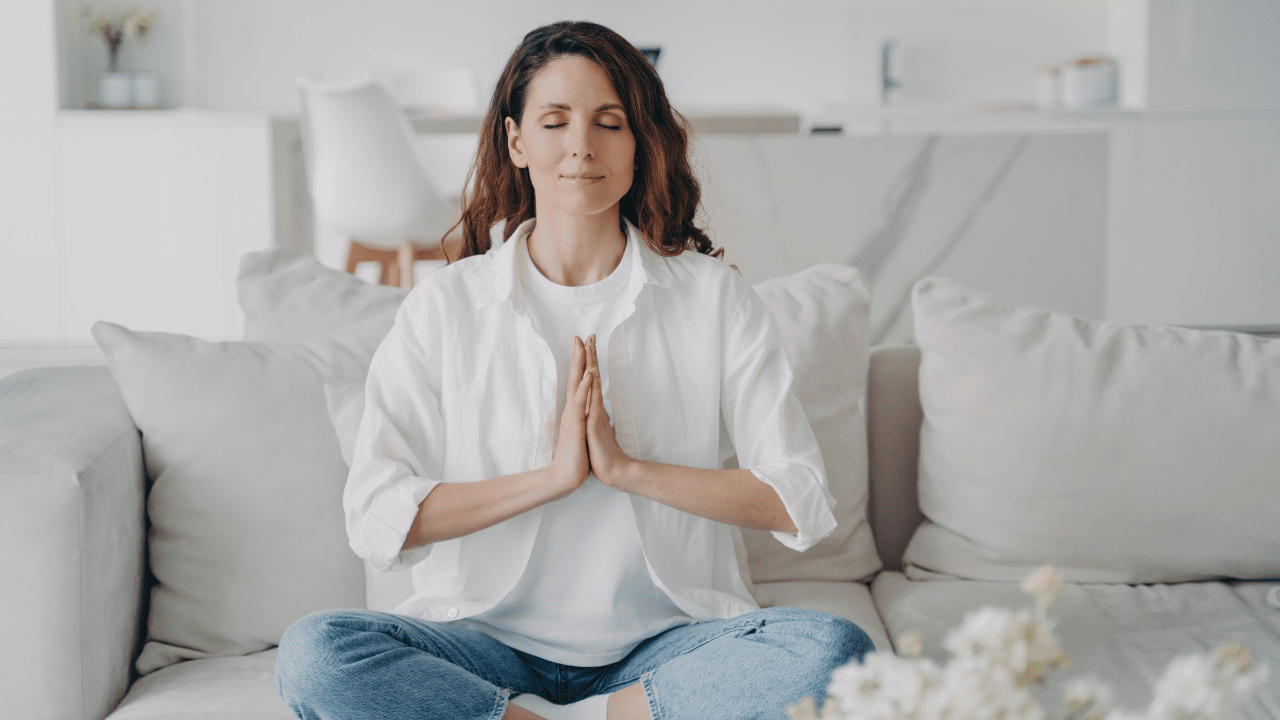
Self hypnosis techniques work best when the body feels relaxed and the mind feels steady. You do not need to force anything. The goal is to slow down your breathing, reduce physical tension, and gently guide your focus inward. These techniques are simple, flexible, and easy to practice in daily life.
Here are some of the techniques for self hypnosis:
Breathing and relaxation
Slow breathing is often the easiest way to begin. Long, steady breaths help calm the nervous system and reduce mental noise. Progressive relaxation builds on this by releasing tension from different parts of the body, such as the shoulders, jaw, and legs. Countdown or staircase methods add mental focus by guiding your attention deeper with each number or imagined step.
Visualization
Visualization helps keep the mind engaged while the body relaxes. Imagining a calm place or a gentle scene allows stress to fade naturally. Simple imagery, like warmth or light moving through the body, can deepen relaxation and improve focus without effort.
Positive suggestion
Once you feel calm, gentle suggestions help shape your thoughts. These should feel realistic and supportive. Repeating short phrases like feeling calmer or more focused allows the mind to absorb them without resistance. Consistency matters more than intensity.
Quick induction techniques
When time is limited, quick focus methods can help. Simple grounding patterns or anchoring calm to a physical action can bring mental clarity within moments. With practice, these self hypnosis techniques become easier to access whenever stress appears.
Common Mistakes to Avoid During Self Hypnosis
Self hypnosis techniques are simple, but small mistakes can limit their effectiveness. Most issues come from trying too hard or expecting instant results. When the approach feels forced, the mind resists instead of relaxing. Being patient and consistent helps the process feel natural and more effective over time.
Trying to control every thought instead of allowing them to slow down naturally
Expecting deep results in the first few sessions
Using negative or unrealistic suggestions
Practicing in a noisy or distracting environment
Rushing the session instead of easing into relaxation
Skipping regular practice and only using self-hypnosis during high stress
Comparing your experience to others instead of focusing on your own progress
Conclusion
Self hypnosis techniques offer a simple and practical way to reduce stress and improve mental clarity when practiced consistently. They help you slow down, reset your thoughts, and respond to daily pressure with more balance. Over time, these techniques can support better focus, emotional control, and a calmer mindset. The key is patience, regular practice, and using methods that feel natural to you.
At Mass Mind Center, we help individuals go deeper with guided support and structured approaches to self-hypnosis and mental wellness. Our work focuses on understanding how the mind responds to stress and teaching practical tools that fit real life. We combine evidence-based techniques with personalized guidance to help clients build clarity, resilience, and emotional stability. Whether you are new to self-hypnosis or looking to refine your practice, our approach centers on safety, consistency, and long-term mental well-being.