
What Does Ketamine Feel Like? What Patients Say About the Experience
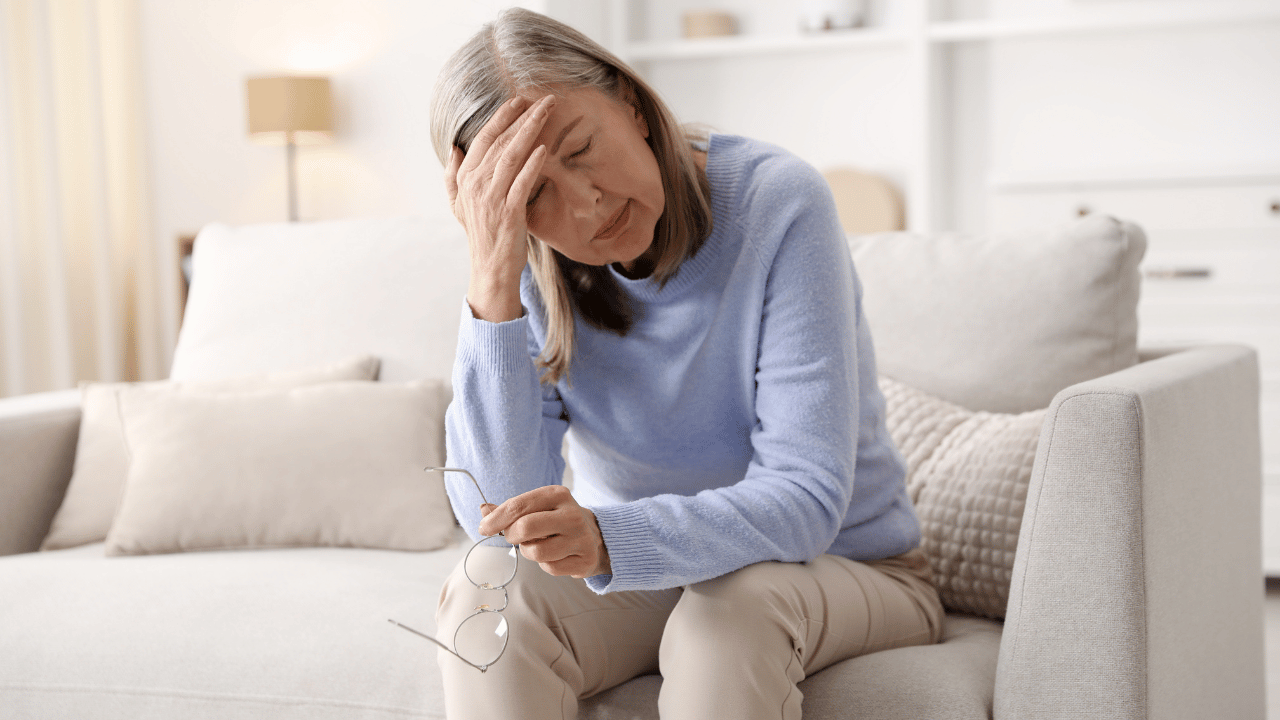
Two weeks before my first ketamine session, I watched every video I could find on YouTube and read every forum post on Reddit. Half of what I read made it sound like a spiritual awakening. The other half made it sound like losing my mind for an hour. I kept typing "what does ketamine feel like" into different search bars hoping someone would give me a straight answer that was not either terrifying or evangelical. My psychiatrist had recommended it after two years of antidepressants that did not help my depression, but I was still afraid of what it would feel like to be in the middle of it. If you have been doing the same nighttime research, this guide walks you through what patients actually report from real clinical sessions, phase by phase, without the hype or the horror.
The Quick Answer: What Most Patients Feel During a Ketamine Session
Ketamine therapy at a sub-anesthetic dose produces a distinct set of experiences that most patients recognize within the first few sessions. The medicine loosens the mind's normal filters, softens emotional reactivity, and creates a kind of gentle distance from your usual sense of self. The experience follows a predictable arc even though the specifics vary from person to person and session to session. Here is what most patients actually feel:
The three-phase arc
Every session has a clear beginning, middle, and end. The onset builds for about 5 to 15 minutes. The peak sits between 10 and 45 minutes into the session. Coming back happens within another 30 to 45 minutes. The whole medicine-active window usually falls between 45 and 90 minutes.
Why no two sessions feel exactly the same
Your mood the day of the session, what you eat beforehand, the music your clinician plays, the intention you set, and even how tired you are all shape the experience. Repeat patients often describe each session as landing on a slightly different emotional or thematic layer of what they are working on.
The Phase-by-Phase Experience: Onset, Peak, and Coming Back
Knowing the shape of each phase in advance takes a lot of the fear out of the unknown. Most patients report that once they recognize the phases, even intense moments feel more manageable because they know what stage they are in and what is coming next. Here is what each phase actually feels like:
The first 5 to 15 minutes (onset)
The onset feels subtle at first. You may notice a warm, sinking heaviness in your limbs, a slight tingling around your face or fingers, and a gentle softening of ambient sound. Many patients report a brief moment of wondering whether the medicine is even working, and then almost immediately noticing that it very much is. The body relaxes deeply. Anxiety often fades before the psychological effects fully arrive.
The peak (10 to 45 minutes in)
The peak is where most of the therapeutic action happens. Time stretches or loses its structure entirely. Your thoughts feel less urgent and less personal. Many patients describe watching themselves from a slight distance, as if they are observing their own mental content rather than being inside it. Closed-eye visuals often show up as shifting patterns, colors, or occasionally full imagery. Emotions can rise, sometimes tender, sometimes surprising, and they tend to move through rather than get stuck.
Coming back and the hour after
The medicine begins to lift within about 30 to 45 minutes of the peak. Sensations return in reverse order. Your body feels heavy again but present. Sounds sharpen. You slowly rejoin normal awareness. Most patients feel calm and slightly tender for the next hour or two, and clinicians typically keep you at the office for post-session observation until you are fully oriented.
The Physical Sensations Patients Report
Ketamine acts on the body as well as the mind, and the physical sensations are often the first thing patients notice. Understanding what is happening in your body helps you interpret each shift as expected rather than alarming. Most sensations are gentle and pass on their own. Here are the sensations to expect:
Body-based feelings
Floating is the most common description. Patients often say it feels like they are drifting slightly above the bed or chair, or that their body has grown lighter than usual. Others feel a warm, sinking heaviness, like being wrapped in a blanket. Some notice tingling, warmth spreading through the chest and limbs, or a soft blurring of where the body ends.
Sensory changes
Colors often look more saturated and slightly softer around the edges. Music feels more emotionally layered. Time distorts. Some patients say five minutes felt like an hour, and others say an hour passed in what felt like ten minutes. Closed-eye imagery ranges from faint drifting patterns to vivid kaleidoscopic scenes.
Common physical side effects
Nausea shows up occasionally, especially with lozenge or IV routes. Some patients experience mild dizziness. Blood pressure and heart rate typically rise slightly during the session, which is why clinicians monitor vitals throughout. All of these effects fade as the medicine wears off.
The Emotional and Mental Experience

The emotional layer of a ketamine session is what makes it therapeutic rather than just a physical experience. The medicine creates a kind of psychological space where you can look at difficult material without the usual defenses. This is why ketamine is different from a typical antidepressant, and why the comparison between ketamine therapy and traditional antidepressants matters for people trying to understand which approach fits. Here is what patients report on the mental side:
The dream-like state and ego dissolution explained
The most consistent report is a dream-like quality. Thoughts drift rather than lock in. The strong sense of "me" softens, and many patients describe watching their thoughts move through consciousness like clouds. This softening of the ego is what clinicians call ego dissolution. It is temporary, gentle at therapeutic doses, and typically felt as relieving rather than frightening.
Emotions that surface and how they move through
Emotions rise during ketamine sessions, sometimes ones you did not know you were holding. Grief, tenderness, joy, and moments of clarity all show up regularly. Because the ego is softened, most patients report that even hard emotions feel workable rather than overwhelming, as if you are meeting them from a safe distance.
The insights and shifts patients commonly report
Many patients say they see a familiar problem from a new angle for the first time. Others describe a sense of self-compassion they had not felt before. Some report a quiet knowing about what needs to change in their life. These insights are the raw material that integration therapy afterward helps you actually use.
The Difficult Parts: Honest Answers Most Articles Skip
Not every ketamine session feels like a spa treatment. This is the part most consumer-facing articles skip, and the part that patients most want to know about before they commit. Difficult moments during a session are usually workable and often turn out to be therapeutically valuable, but knowing they can happen protects you from feeling blindsided. Here is what happens when a session gets hard:
When emotions or memories surface strongly
Some sessions bring up old grief, unprocessed trauma, or memories the person had not thought about in years. This is often part of what makes the treatment work. A trained clinician stays present with you, adjusts the environment, and reminds you that whatever is coming up will move through. The medicine's softening effect usually keeps the experience workable even when the content is heavy.
What anxiety during a session feels like
A small number of patients experience moments of anxiety during a session, often described as feeling briefly untethered or worried about losing control. These moments usually pass within a few minutes as the person breathes, reorients to the music, or shifts their body position. A calming clinician voice can end the anxiety quickly.
How trained clinicians help you through the harder moments
The single biggest protective factor is the setting. A ketamine session in a monitored clinical environment with a trained clinician looks nothing like the recreational use most search results still describe. Your provider adjusts the dose next time if a session was too intense, changes the music, and processes what came up with you in the days that follow.
How the Delivery Method Changes the Experience
Ketamine is not one experience. IV, IM, lozenge, and intranasal esketamine all produce distinctly different sessions, and the format your clinic offers shapes what to expect. Understanding the differences helps you know which one fits your situation and what to expect from each. Here is what each feels like:
IV infusion
IV ketamine is the most controlled and has the longest research track record. The onset is fast, usually within five minutes of the drip starting. The intensity can be adjusted in real time by the clinician. Sessions typically run 40 to 60 minutes of active experience, and the depth of the psychedelic quality depends on the dose.
Intramuscular (IM) injection
IM ketamine is a single injection into the arm or thigh, delivered at the start of the session. The onset is slightly slower than IV, usually 5 to 10 minutes, and the peak feels similar in depth. IM sessions are typically shorter and, according to some patients, feel less clinical because there is no ongoing infusion equipment in the room.
Sublingual lozenge
A sublingual lozenge or troche dissolves under the tongue over about 15 minutes. Onset is gentler and slower, usually 15 to 20 minutes, and the peak is milder than IV or IM. Sessions run 45 to 90 minutes. Many clinics use lozenges for in-office ketamine-assisted psychotherapy because the softer arc lets patients talk during parts of the session.
Intranasal esketamine (Spravato)
Spravato is FDA-approved for treatment-resistant depression and delivered as a nasal spray in a certified clinic. The experience is generally milder than IV or IM, closer to the lozenge in feel. Sessions include a required two-hour monitoring period, and the treatment follows a specific FDA protocol.
What Happens After the Session
The session itself is only part of the treatment. What happens in the hours and days after shapes how much of the experience translates into lasting change. Most clinics build post-session care into the treatment plan for exactly this reason. Here is what to expect after you come back:
The first hour and getting home
You will feel a little tired, sometimes tender, and mildly disoriented for about an hour. Most clinics require someone to drive you home. You should avoid making decisions, signing documents, or handling anything with legal or financial weight for the rest of the day.
The rest of the day and what to avoid
Plan a quiet evening. Skip alcohol. Skip demanding social events. Many patients describe the rest of the day as feeling gentle, reflective, and a little emotional. Journaling or a short walk often help the day settle.
The afterglow and the mood shift over the following days
Many patients report an "afterglow" in the day or two following a session. Depression may lift noticeably. Anxiety may feel more distant. The insights from the session often surface more clearly the day after than during the session itself. This is where the benefits of ketamine-assisted psychotherapy become most visible, and where working with a therapist to integrate the experience turns momentary relief into lasting change.
Working With Massachusetts Mind Center
If you are considering ketamine therapy and want a practice that takes the whole arc seriously, At Massachusetts Mind Center we provide ketamine-assisted psychotherapy in the Boston area, including intramuscular and lozenge protocols with in-person clinical monitoring. Our clinicians handle preparation, session support, and integration therapy so you are not doing any part of the process alone. We are honest about what to expect, including the difficult parts, and we personalize each session based on how the previous ones landed. Call 617-236-2193 and a real person will help you figure out whether ketamine therapy is right for your situation, with no pressure to book before you are ready.
Frequently Asked Questions
How long does ketamine last during a therapy session?
The medicine's active effects typically last 40 to 90 minutes, depending on the delivery method. IV and IM sessions run about 40 to 60 minutes of active experience. Lozenge and Spravato sessions run longer, usually 60 to 90 minutes. Full recovery to normal functioning takes another hour or two.
Do you remember the session afterward?
Most patients remember their sessions in a dream-like way. You will not have crisp minute-by-minute recall, but the emotional themes, insights, and standout moments usually stay clear. Some patients keep a journal immediately after to preserve details before they fade.
Can you have a bad ketamine experience?
In a monitored clinical setting, difficult moments do happen but rarely become truly bad experiences. Anxiety, disorientation, or surfacing emotions can arise and usually pass within minutes. The clinical setting, trained clinician support, and the option to adjust dose or pace for future sessions all keep the process safe.
What is the ketamine afterglow?
The afterglow is a period of improved mood, reduced anxiety, and greater emotional openness that many patients report in the day or two after a session. It reflects the neuroplasticity that ketamine triggers, and it is one reason integration therapy in the days following each session amplifies long-term results.
What's the difference between therapeutic and recreational ketamine?
Everything. Therapeutic ketamine happens at a specific sub-anesthetic dose in a monitored clinical setting with medical support before, during, and after. Recreational use is typically higher-dose, unmonitored, without medical screening, and carries significant risk of harm. The two produce fundamentally different experiences and outcomes.