
How Long Does Ketamine Nasal Spray Last? A Clear Timeline for Your First Spravato Session

The night before my first Spravato appointment, I was sitting on my couch with my phone in one hand and my discharge paperwork in the other. My psychiatrist had explained things at the appointment, but she had talked fast, and I had not asked enough questions. Now it was 10 p.m. and I was trying to piece together what tomorrow would actually look like. I did not know when the medicine would kick in. I did not know how long the dissociation would last. I did not know when I would be able to drive home. I kept typing "how long does ketamine nasal spray last" into different search bars, and the answers I got were vague. If you have been in the same place the night before your first session, this blog post will walk you through the whole timeline, from the day before through the months of maintenance ahead.
The Short Answer: The Three Timelines You Need to Understand
The reason "how long does ketamine nasal spray last" has so many different answers online is that there are actually three separate timelines packed into that one question. Reading a page that mixes them together leaves you more confused, not less. Once you separate them, everything else in this guide falls into place cleanly. Here are the three timelines to hold in your head:
The acute experience (about 2 hours)
The dissociative, floaty sensations that come with the medicine begin within 5 to 30 minutes of your first spray. They typically peak between 30 and 40 minutes in, then fade over the next hour to hour and a half. The FDA-approved Spravato protocol requires a two-hour monitoring period after every dose, and most patients are cleared to leave right at that two-hour mark.
The antidepressant effect (days between sessions)
Separate from the acute experience is the antidepressant lift. This one is what actually helps your depression, and it begins within 24 hours of your first session for most responders. Between sessions during the induction phase, that lift is what carries you until the next dose. This is the primary reason Spravato is prescribed in the first place.
The full treatment protocol (months)
The third timeline is the full course of treatment. Spravato is not a one-time dose. The FDA-approved protocol runs at least eight weeks of structured treatment, followed by ongoing maintenance for as long as it continues to help. Most patients stay on some form of maintenance dosing for months or years.
Your First Spravato Session: An Hour-by-Hour Timeline
Knowing the shape of your first appointment in advance takes most of the fear out of the unknown. Most patients report that after the first session, everything feels much less intimidating because they now know what to expect. Here is what the whole day usually looks like, hour by hour:
The 24 hours before your appointment
Arrange your ride home the day before, not the morning of. You will not be allowed to drive yourself after the session. Eat a light meal 2 to 3 hours before your appointment, then avoid food and drink in the immediate pre-visit window per your provider's instructions. This reduces the chance of nausea during the session. Get a full night of sleep, and skip alcohol the night before.
The first hour at the clinic (arrival, assessment, and onset)
You arrive at the clinic and check in. Staff take your blood pressure, review any changes since your last visit, and walk you back to a private treatment room, usually with a reclining chair and calm music. You self-administer the nasal spray under supervision, usually two or three sprays spaced five minutes apart. The medicine starts working within the first 10 to 15 minutes.
The peak (minutes 20 to 60)
This is where most of the dissociative experience happens. You may feel floaty, slightly detached from your body, or notice that time feels different. Colors can look softer. Sound can feel further away. Some patients report gentle visual patterns behind closed eyes. If you are wondering what a ketamine session actually feels like, the peak of a Spravato session sits at a milder end of the ketamine spectrum. Your clinician monitors your blood pressure and checks in periodically without disrupting the experience.
Coming back and clearance to leave (minutes 60 to 120)
By minute 60, the peak effects begin to soften. You slowly return to normal awareness. Sounds sharpen. Time feels normal again. Staff continue to monitor your vitals through minute 120. Most patients are cleared to leave right at the two-hour mark, though some need a few extra minutes if their blood pressure is slower to come down.
What Happens After You Leave the Clinic
The session is only part of the day. What happens in the hours and days after shapes both your recovery and the antidepressant response you are actually paying for. Most clinics give you a printed set of instructions, but the general rhythm is worth knowing in advance. Here is what to expect after you walk out the door:
The rest of that day (0 to 12 hours after your session)
You will feel mildly tired, sometimes slightly disoriented, for the rest of the day. Plan a quiet afternoon and evening. Skip anything demanding. No driving, no important decisions, no signing legal or financial documents, no alcohol. A light meal, a shower, and a nap or a short walk are ideal. Many patients report feeling gentle and reflective in the hours after their first session.
The next 24 to 48 hours (when the antidepressant effect appears)
This is where the treatment starts to earn its reputation. Within 24 hours of your first session, most responders notice some lift, sometimes subtle and sometimes obvious. This rapid onset is one of the biggest reasons Spravato exists in the first place, and it is exactly how ketamine therapy compares to traditional antidepressants, which typically take four to six weeks to reach full effect. If you do not feel much after the first session, that is also normal. Full response often builds across the first several sessions.
When you can safely drive, work, and make decisions
You are cleared to drive again the following day, generally 24 hours after your appointment. Most patients return to work the next day without difficulty. Moderate exercise is fine the day after. Avoid alcohol for at least 24 hours, and avoid making major life or financial decisions in the immediate post-session window.
The Full Treatment Timeline: From Induction to Maintenance
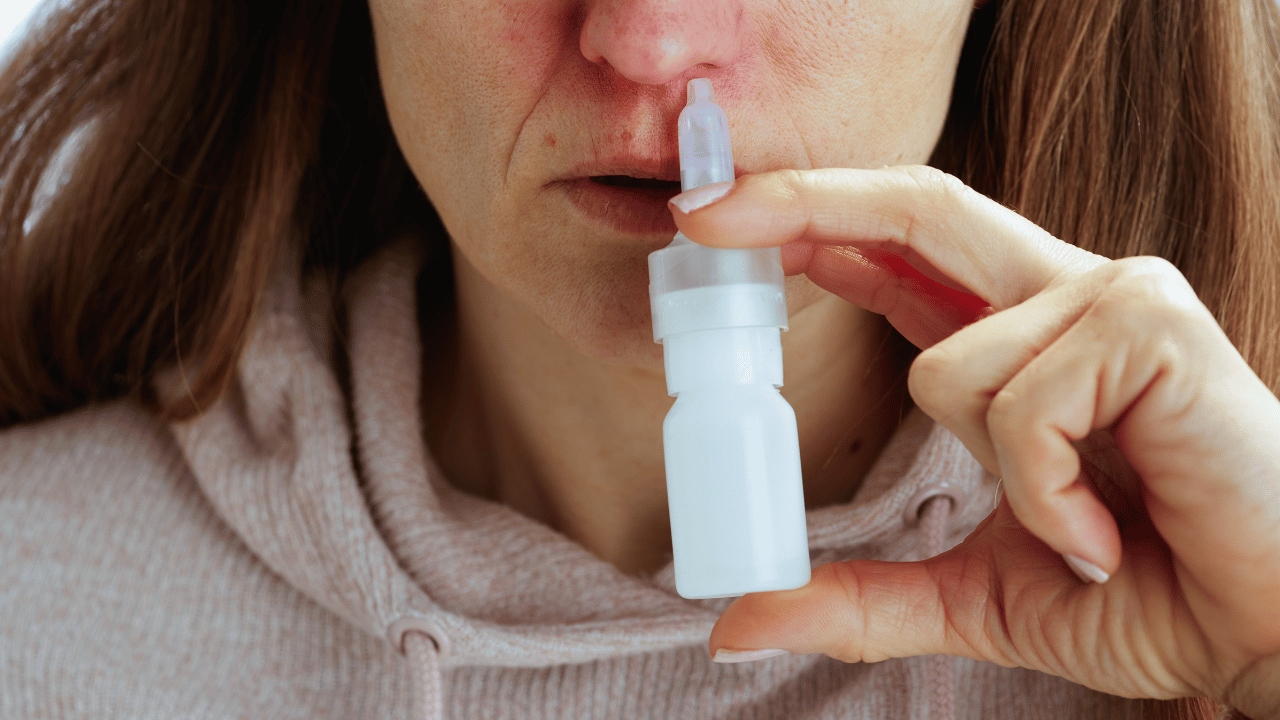
The FDA-approved Spravato protocol runs in three phases, and knowing the arc in advance helps you plan your life around treatment rather than being surprised each time the frequency shifts. The full outline is available in the manufacturer's official patient information.Here is what each phase looks like in practice:
The induction phase (weeks 1 to 4, twice weekly)
The first four weeks are the most demanding. You come in twice a week, typically Monday and Thursday or Tuesday and Friday, with at least 48 hours between sessions. That comes to eight sessions across four weeks. Most patients start at 56mg for the first session, then move to 84mg if they tolerate it well. This is the phase where the biggest gains usually happen.
The optimization phase (weeks 5 to 8, once weekly)
After the first four weeks, most patients transition to once-weekly sessions for another four weeks. The dose typically stays where it landed during induction. This phase locks in the gains from the intensive early weeks and gives the antidepressant effect time to consolidate.
The maintenance phase (week 9 and beyond)
From week nine onward, most patients move to a maintenance schedule of once weekly or once every two weeks, depending on their response. Some stay on maintenance for six months, some for a year, and some longer. The goal is the lowest frequency that keeps your depression in remission, and your provider adjusts based on how you are doing over time.
Factors That Change How Long Effects Last for You
The timelines in this article are averages. Your own experience may be shorter, longer, or more intense based on a few specific variables. Knowing what shifts the picture helps you interpret your own sessions accurately rather than worrying that you are responding wrong. Here are the four factors that matter most:
Dose (56mg versus 84mg)
Most patients start at 56mg for their first session as a safety measure. If they tolerate it well, the dose moves up to 84mg by the fourth session. The higher dose produces a somewhat stronger acute experience and often a slightly longer window of dissociation, though both usually resolve within the two-hour monitoring period regardless.
Individual metabolism and body chemistry
Everyone processes esketamine at slightly different speeds. The medication's half-life is 7 to 12 hours, meaning it takes that long for your body to clear half the dose. People who metabolize faster may feel effects wear off sooner. People who metabolize slower may feel effects a bit longer, though the difference is usually modest.
Treatment phase (early versus later sessions)
Many patients report that the first two or three sessions feel more intense than later ones. This is partly novelty and partly your nervous system adjusting to the medicine. By the middle of the induction phase, most patients feel more familiar with the experience and less overwhelmed by it.
Concurrent medications and lifestyle factors
Certain medications, particularly other CNS depressants, can extend the sedation window. Sleep, hydration, and stress the day of your session also matter. If you show up exhausted and dehydrated, the experience may feel heavier than the same dose would on a rested day.
How Spravato Compares to Other Forms of Ketamine
Spravato is one of several ways to receive ketamine therapy, and each format has different timelines and monitoring requirements. Understanding the differences helps you understand why Spravato is structured the way it is and what tradeoffs it involves. Here is how the main formats compare:
IV infusion (fastest onset, most controlled)
IV ketamine has the fastest onset, usually within five minutes of the drip starting. The clinician can adjust the intensity in real time. Sessions typically run 40 to 60 minutes of active experience. IV is off-label for depression, is generally not covered by insurance, and requires an anesthesiologist or trained provider.
Intramuscular injection (similar depth, shorter session)
IM ketamine is a single injection at the start of the session. Onset is 5 to 10 minutes, and the peak feels similar in depth to IV. Sessions run 40 to 90 minutes. IM is also off-label and typically not covered by insurance, but it is faster to administer than an infusion.
Sublingual lozenge (gentler, longer arc)
Sublingual lozenges dissolve under the tongue over about 15 minutes. Onset is slower, usually 15 to 20 minutes, and the peak is milder than IV or IM. Sessions run 45 to 90 minutes total. Lozenges are used for ketamine-assisted psychotherapy in many clinics because the gentler arc allows for verbal processing during the session.
What makes Spravato different
Spravato is the only form of intranasal ketamine that is FDA-approved, with a specific approved indication (treatment-resistant depression, and later, MDD with acute suicidal ideation). It is administered under REMS certification, which requires the two-hour monitoring window. Because it is FDA-approved, Spravato treatment at Massachusetts Mind Center's certified program and other certified clinics is typically covered by insurance, unlike most off-label ketamine options.
Working With Massachusetts Mind Center on Your Spravato Journey
If you have Spravato coming up and want a practice that walks you through the whole timeline with care, Massachusetts Mind Center's Spravato program provides FDA-compliant treatment in the Boston area. Our team handles the pre-session assessment, the in-office administration, the full two-hour monitoring window, and the follow-up between sessions so you are not navigating any part of it alone. We coordinate with your prescribing psychiatrist, explain each phase before you enter it, and adjust the plan as your response develops. Call 617-236-2193 and a real person will walk you through what to expect and answer whatever your discharge paperwork did not.
Frequently Asked Questions
How long does the dissociation from Spravato last?
The dissociative effects begin within 5 to 30 minutes after your first spray, peak around 30 to 40 minutes in, and typically fade within about 90 minutes. By the two-hour mark, most patients feel back to normal and are cleared to leave the clinic.
When can I drive after a Spravato session?
You cannot drive the day of your session. The clinic will only release you to someone else driving you home. You are generally cleared to drive again 24 hours after your appointment, once the sedative effects have fully cleared.
Does Spravato work after the first session?
Some patients notice a subtle lift within 24 hours of the first session. For others, the antidepressant effect builds across the first two to four weeks of the induction phase. Both patterns are normal, and neither predicts how well the treatment will ultimately work.
How long will I be on Spravato treatment overall?
The FDA-approved protocol runs at least eight weeks of structured treatment (four weeks twice-weekly, then four weeks once-weekly). Most patients continue on maintenance dosing weekly or every two weeks for six months to a year or longer, based on their response.
What if I feel the effects longer than two hours?
Mild lingering tiredness or subtle dissociation for a few hours after leaving the clinic is normal and expected. If effects feel intense past the two-hour mark, your clinician will keep you at the clinic longer for continued monitoring. Contact your provider if you feel disoriented or unwell after you get home.