
Online Therapy vs In-Person Therapy: Which One Is Better in 2026?
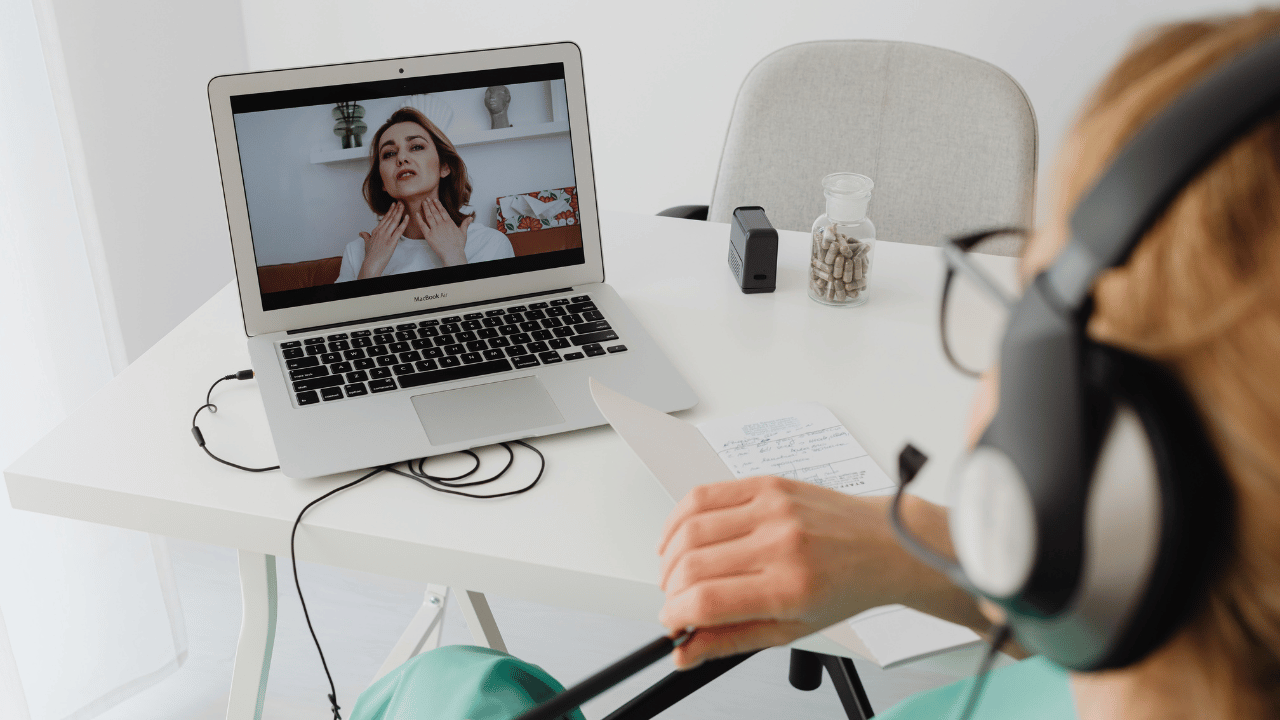
Taking care of your mental health is now easier than ever. You are no longer limited to sitting in a clinic room to talk to a therapist. Today, people can choose between online sessions from home or face-to-face meetings in an office. This shift has changed how therapy fits into daily life.
When comparing online therapy vs in person therapy, it helps to understand what each option offers. Online counseling gives you comfort, flexibility, and quick access. Traditional therapy gives you a more personal and structured experience. Both options are widely used in 2026, and both can support your mental well-being.
Many people now explore online therapy, telehealth sessions, and in-office counseling based on their needs and lifestyle. In this blog post, you will understand how each option works and which one may suit you better.
What Is Online Therapy and In-Person Therapy?
Online therapy and in-person therapy are two common ways people get mental health support today. Both help you talk to a trained therapist, but the way you connect is different.Here’s the main difference between both:
What Is Online Therapy?
Online therapy happens through the internet. You can talk to a therapist using video calls, phone calls, or even chat messages. Many people choose virtual therapy because they can attend sessions from home. It saves travel time and makes it easier to fit therapy into a busy schedule. This option is also helpful for people who live far from clinics or prefer more privacy.
What Is In-Person Therapy?
In-person therapy takes place in a clinic, office, or counseling center. You meet your therapist face to face in a quiet and private space. This traditional form of therapy allows for direct interaction, which some people find more comfortable. It can feel more personal and focused, especially for those who prefer a structured environment.
Online Therapy vs In-Person Therapy: Key Differences
| Feature | Online Therapy (Virtual Therapy / Telehealth) | In-Person Therapy (Face-to-Face Counseling) |
|---|---|---|
| Accessibility | Easy to access from anywhere with internet | Requires travel to a clinic or therapist’s office |
| Convenience | Very flexible, can attend from home or work | Fixed schedule, needs commuting |
| Cost | Usually more affordable, no travel costs | Often more expensive due to clinic overhead |
| Comfort Level | Comfortable for people who prefer home environment | Better for those who like a dedicated therapy space |
| Therapist Interaction | Limited body language cues (depends on video quality) | Full face-to-face interaction and non-verbal cues |
| Privacy | Private if you have a quiet space at home | High privacy in a professional setting |
| Technology Dependence | Requires stable internet and device | No tech needed |
| Effectiveness | Works well for mild to moderate issues | Better suited for severe or complex conditions |
| Emergency Support | Limited in crisis situations | Immediate support possible in serious cases |
| Session Environment | Can be distracted by home surroundings | Controlled, distraction-free environment |
| Availability of Therapists | Wider options, can choose therapists globally | Limited to local therapists |
| Consistency | Easier to maintain regular sessions | Can be affected by travel, weather, or time constraints |
Which Is More Effective in 2026?
In 2026, both options still work well, but many people now lean toward online care. Research shows that virtual therapy can be just as helpful as face-to-face sessions for common issues like anxiety, stress, and mild depression. The biggest reason is consistency. When therapy is easy to attend, people are more likely to stick with it, and that leads to better results over time.
When you look at online therapy vs in person therapy, online sessions often win in real life. People do not need to travel or rearrange their day. They can join from home, which reduces stress and saves time. This comfort helps many people open up faster and speak more freely during sessions. Online therapy also gives access to a wider range of therapists. You are not limited to your local area. This makes it easier to find someone who truly fits your needs. In-person therapy still plays an important role, especially for severe or complex conditions. But for most people in 2026, online therapy has become a practical and effective choice.
Can Online Therapy Be Covered Under Insurance?
Yes, in many cases, online therapy is covered by insurance in 2026. Coverage has improved a lot in recent years, especially after telehealth became more common. Today, many insurance plans treat online therapy the same as in-person visits.
Most private insurance providers now cover some form of virtual therapy or telehealth services. Programs like Medicare and Medicaid also allow online mental health care, including therapy sessions from home.
However, coverage is not always the same for everyone. It depends on your specific plan. Some plans may:
Require you to use video sessions instead of chat
Only cover licensed therapists within your network
Ask for a copay or deductible
In many cases, you may only pay a small fee per session if your provider is covered. One important thing to know is that not all online therapy platforms accept insurance. The best way to be sure is to check your insurance plan or contact your provider before starting therapy.
Which therapy is better for anxiety and depression?

Both options work well for anxiety and depression, but in 2026, online therapy has become a very strong choice for most people. Research shows that virtual therapy can reduce symptoms of anxiety and depression just as effectively as face-to-face sessions.
Online therapy works especially well for mild to moderate anxiety and depression. Many people feel more relaxed at home, which helps them open up and stay consistent with sessions. Studies also show that a large number of patients see real improvement after a few online sessions, with many reaching recovery or noticeable relief.
Another big advantage is access. You can find the right therapist without being limited to your city. This makes it easier to get the right type of treatment, like cognitive behavioral therapy, which works well for both anxiety and depression.
In-person therapy still helps in more serious cases. It may work better if symptoms are severe or if someone needs close monitoring. But for most people dealing with everyday anxiety or depression, online therapy offers a simple, effective, and flexible solution.
Final Thoughts
Both options have their own place, but in today’s fast-moving world, online therapy has made mental health support more simple and easier to access. When you look at online therapy vs in person therapy, the right choice depends on your comfort, your needs, and your daily routine. What matters most is choosing a format that helps you stay consistent and feel supported.
At Mass Mind Center, we focus on making mental health care easy, comfortable, and effective. Our team offers professional online therapy sessions designed to fit into your life without adding stress. We work with individuals dealing with anxiety, depression, stress, and everyday challenges, and we aim to provide a safe space where you can talk openly and get the support you need.
If you are looking for reliable and flexible online therapy sessions, Mass Mind Center is here to help you take the first step toward feeling better.